
Paediatric First Aid Training: We Train Everyone
Paediatric First Aid Training for Everyone
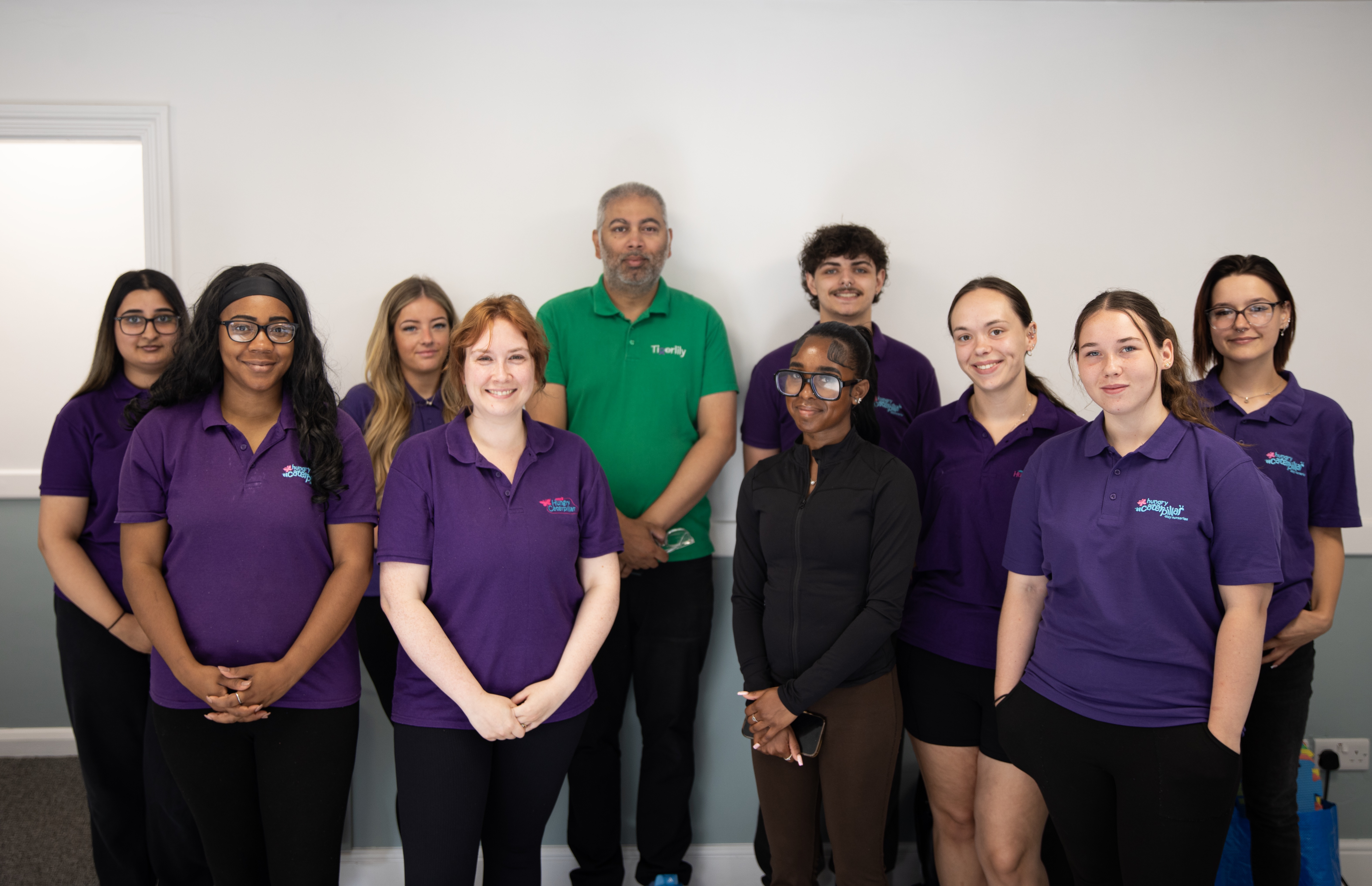
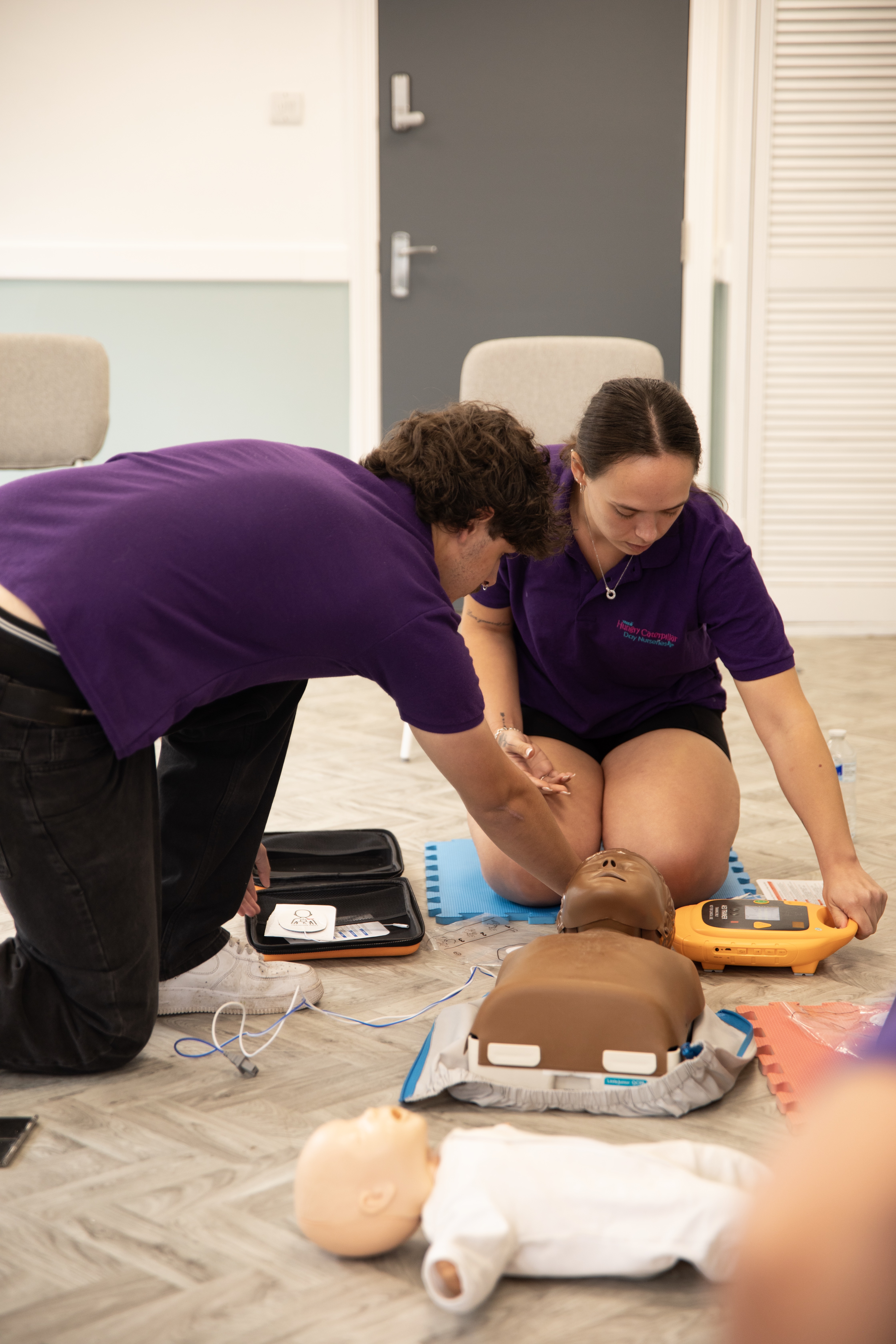
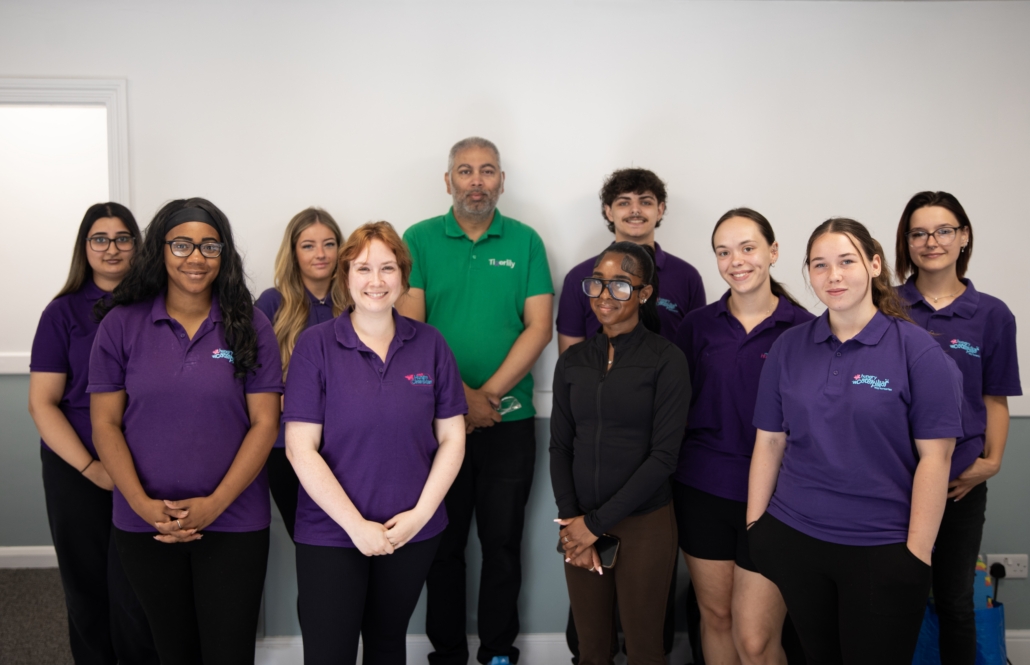
Our Caterpillar Training Academy in Northolt recently opened its doors, and this week it hosted its first training session: twelve members of staff spending a full day on their paediatric first aid training, delivered by Tigerlily Training.
As it happened, all twelve were recent joiners, although our sessions usually mix first-timers with people renewing, but this one landed that way. The longest-serving person in the room had been with us for just two months.
What the rules actually ask for
The EYFS statutory framework requires firstly that just one person with a current paediatric first aid certificate to be on the premises whenever children are present. One, in the whole building.
Second, a newly qualified educator is enrolled on to a Paediatrics course within the first three months of their start date in order to be counted in staffing ratios. Three whole months.
So a nursery could run entirely within the rules with a single trained adult on site and new staff working for twelve weeks before anyone books them a course. That is the legal minimum, and it is genuinely legal.
We have never worked that way, and never will.
What paediatric first aid training actually is
It’s a full day qualification, specific to babies and young children – not just a general first aid course with a section on children added on.
That distinction matters. A choking two-year-old is not a smaller version of a choking adult. Infant resuscitation uses different pressure, different breaths, different technique. The signs of a seriously unwell baby are subtle and easy to miss if you don’t know what you’re looking for.
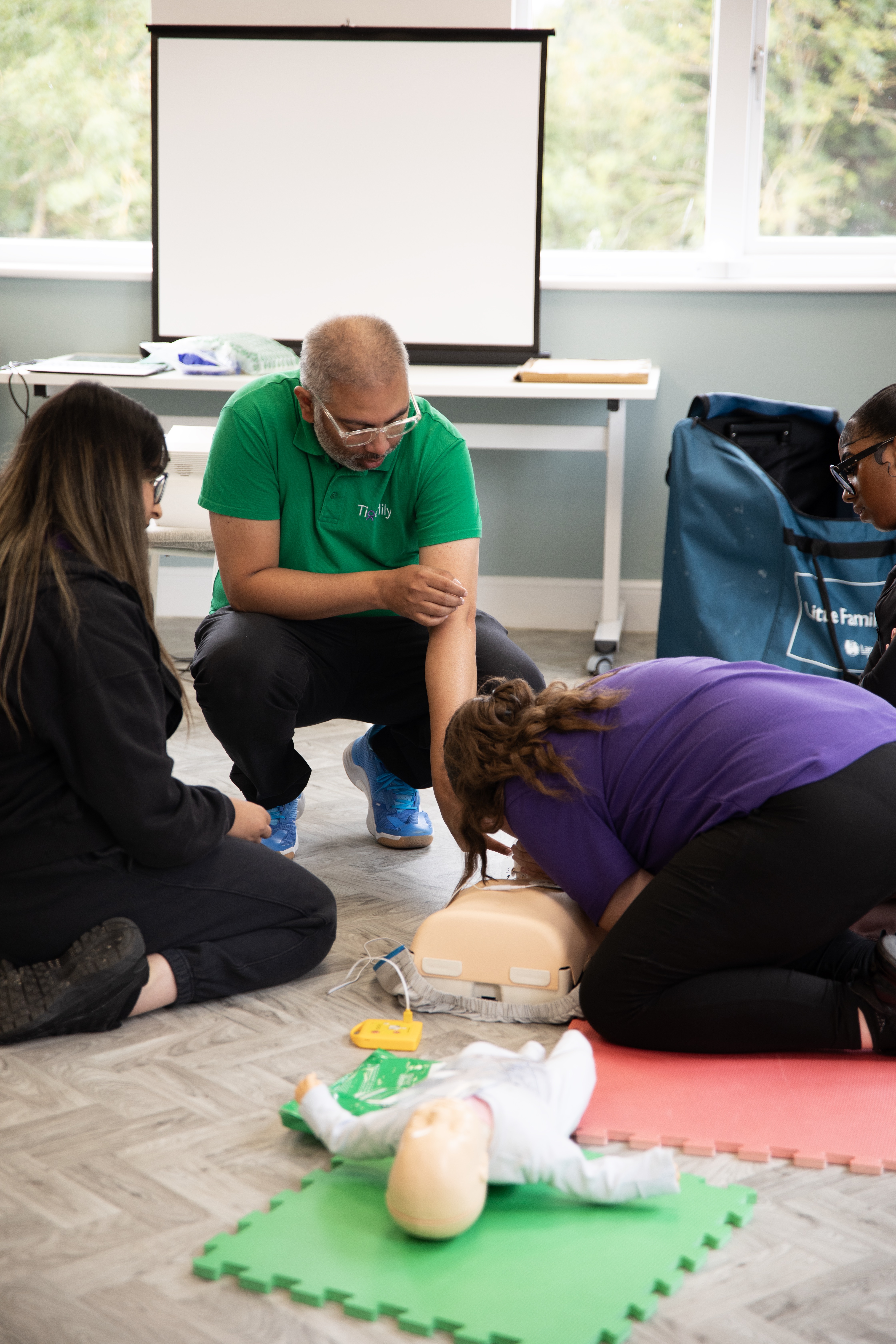
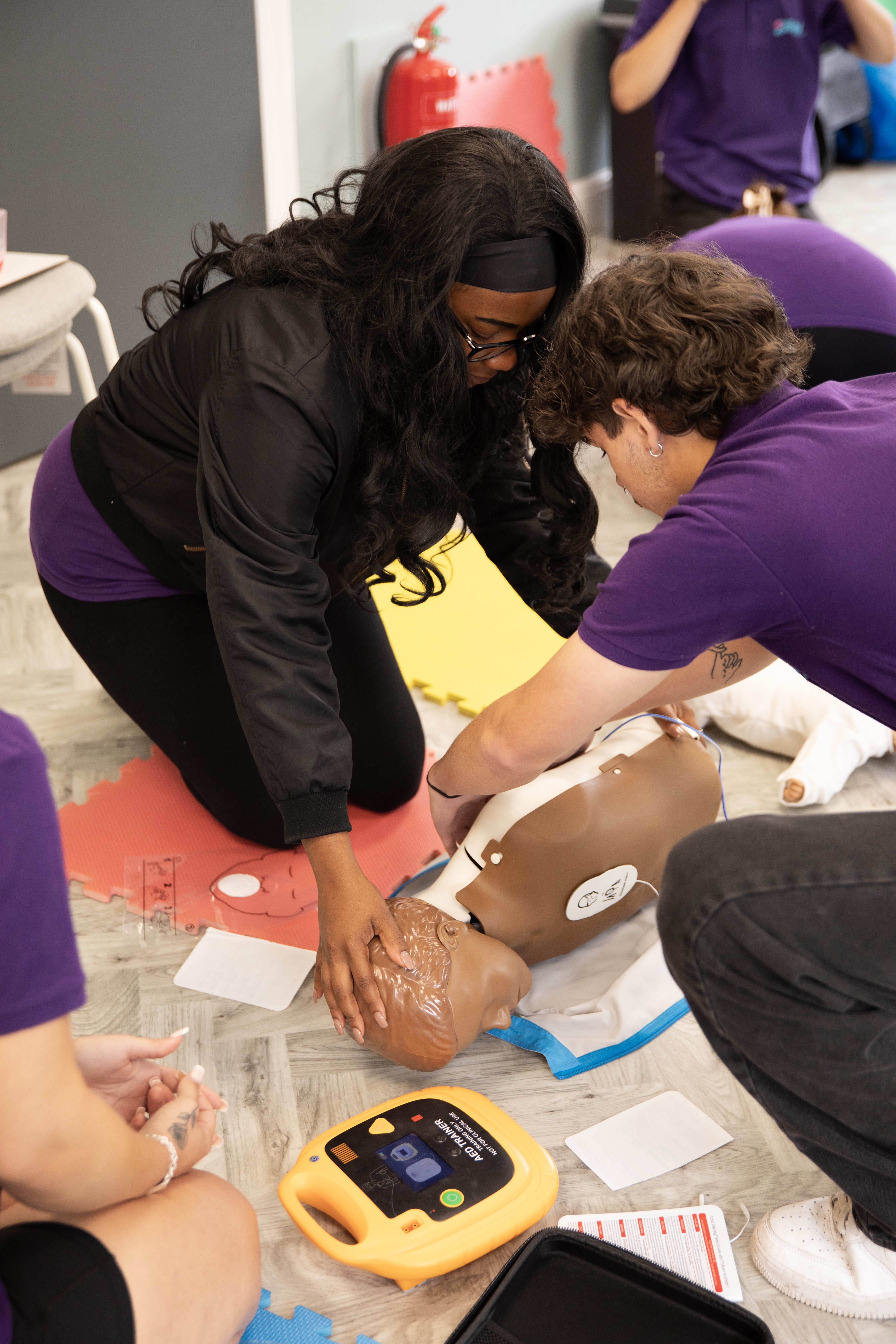
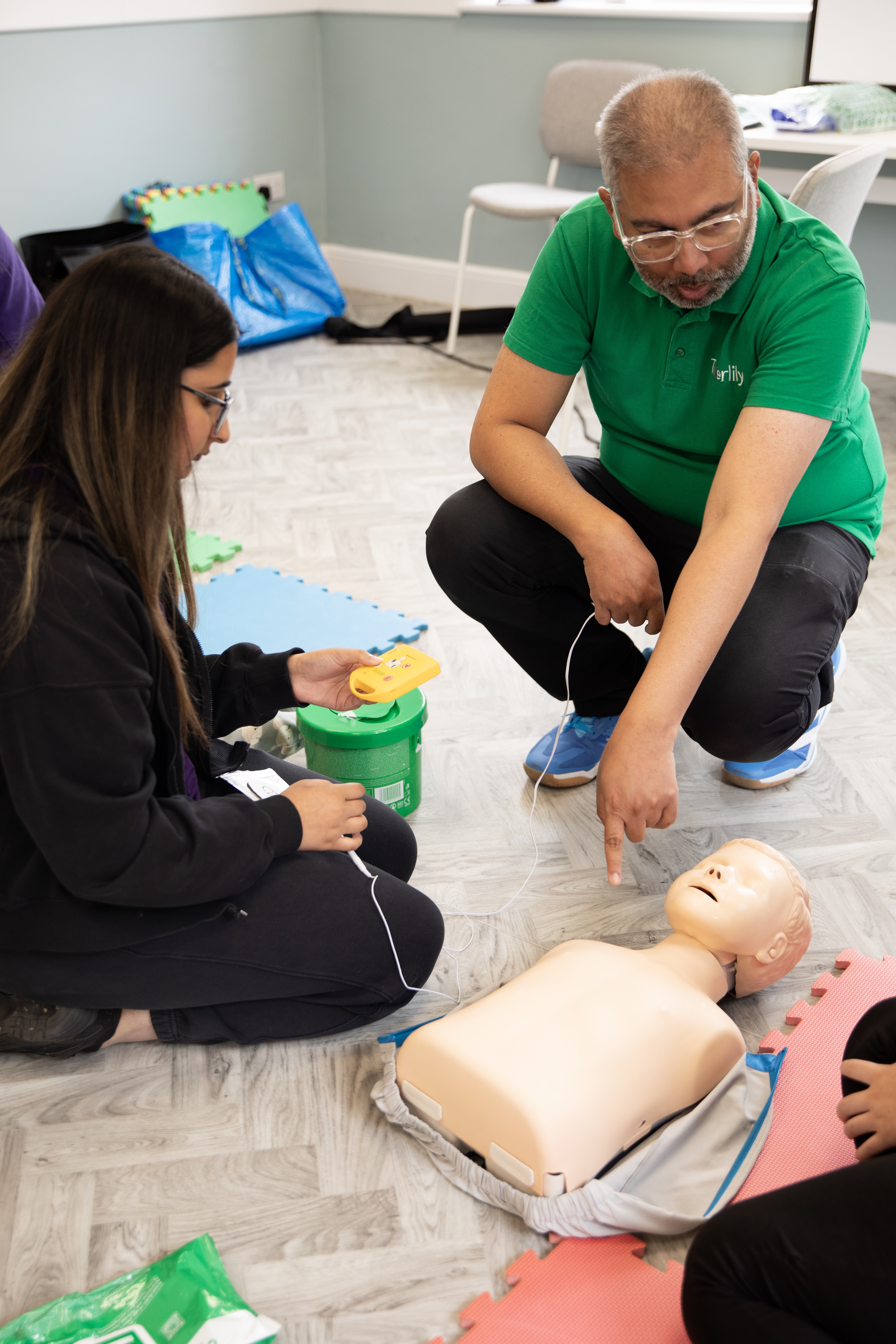
The course covers choking, breathing difficulties, resuscitation for infants and children, bumped heads, burns, seizures, allergic reactions, and when to call 999 versus when to watch and wait. Much of it is practical i.e. hands on training manikins, working through real scenarios, getting it wrong in a room where getting it wrong is safe.
Ewe train everyone, not one
We put paediatric first aid training on for all our staff. Not just one designated first aider. The reason is simple: the adult closest to a child when something goes wrong is not necessarily the trained one.
It’s whoever happens to be at that table, in that corner of the garden, on that side of the room. Training one person satisfies the rule. Training everyone protects the child. Those are not the same goal, and we’ve never been comfortable pretending they are.
And we bring it forward rather than using the three-month window. Emergencies don’t check how long someone has worked somewhere. A child chokes on a grape in week one exactly as easily as in week twelve.
We’ve been doing this for years
Safeguarding requirements in the early years sector have tightened considerably in recent years, and rightly so. Expectations around training, oversight and record-keeping are stricter than they were.
For us, most of those changes have meant confirming what we already did rather than changing it. We were training every member of staff long before anyone required more than one. When the bar moved, we were already above it.
That’s not something we say to sound impressive. It’s the honest reason we can be relaxed about inspection: there’s no scramble, because there’s nothing to catch up on.
Keeping it current
A paediatric first aid qualification lasts three years. Renewing it means sitting the full course again, not a top-up, not an online module, the whole twelve hours.
We check our training records every three months to make sure nobody’s certificate is quietly approaching its expiry date, and people are booked onto a renewal well before it does. It’s an unglamorous administrative habit and it’s the reason we don’t have gaps. Certificates don’t lapse by anyone’s decision; they lapse because a date passed and nobody was looking. We look.
That’s why most of our sessions have a mix of people in them, some sitting the course for the first time, some doing it again three years on.
What it means for your child
The person who spots your daughter’s face change at snack time is trained to act, not trained to fetch someone. There’s no gap between noticing and knowing what to do, in the garden, at the lunch table, on a walk to the park.
You will almost certainly never need any of it. That’s rather the point. It sits in the background of an ordinary day, unused, which is exactly where we want it.
The new Caterpillar Academy
Until now, training meant borrowing space or sending people elsewhere. The Academy in Northolt is a room that exists for this and nothing else, which means we can run sessions when they’re needed rather than when a venue happens to be free.
That’s less of a small thing than it sounds. A lot of the reason training slips in this sector is logistical: no room, no date, no space in the diary. Removing that excuse is most of the battle.
The qualification itself is delivered by Tigerlily Training, an Ofsted-approved specialist provider who train early years staff and nothing else. They come to us.
We think that’s the right combination. The expertise is external and properly accredited, we’re not marking our own homework on something this important. But the training happens in the kind of room our teams actually work in, alongside the colleagues they’ll actually work with, on a schedule we control.
If you’d like to see how we work, come and see one of our nurseries across Ealing and Buckinghamshire, and ask us anything.